
How to Take Perfect Photos for Pet Portraits: A Complete Guide

A beautiful pet portrait starts with a beautiful photograph. Whether you’re commissioning a custom portrait of your beloved dog, cat, horse, or another cherished companion, the quality of the reference photo plays a major role in the final artwork.
Many pet owners worry that they need professional photography equipment to capture the perfect image. Fortunately, that’s not true. With a few simple techniques and a little patience, you can take photographs that help create stunning, lifelike pet portraits.
In this guide, we’ll walk you through everything you need to know about taking perfect photos for pet portraits, from lighting and composition to capturing your pet’s unique personality.
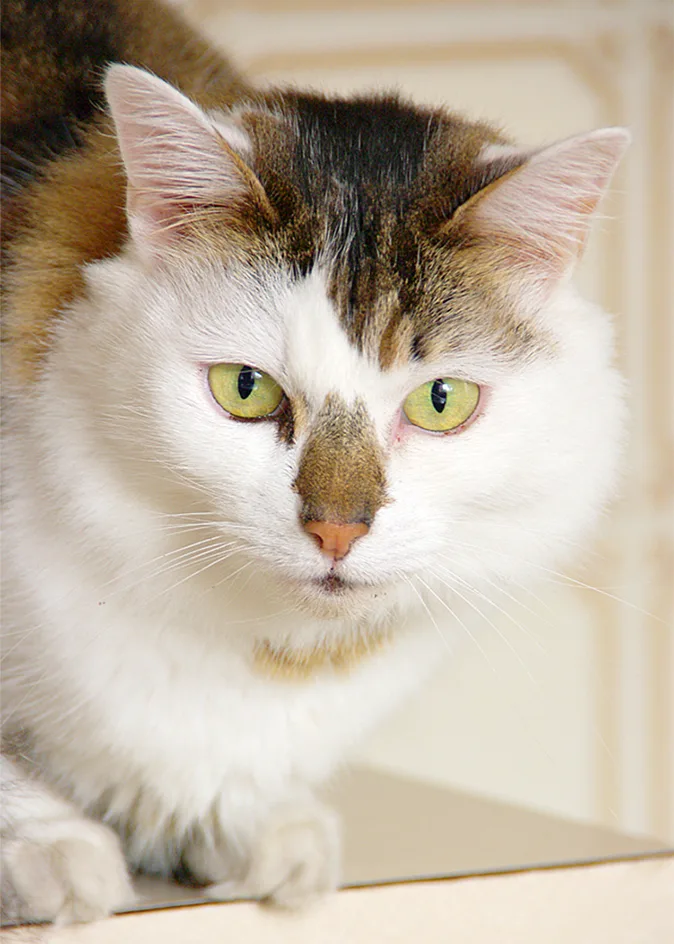
Why Good Photos Matter for Pet Portraits
A custom pet portrait is more than just a picture—it’s a celebration of your pet’s personality, character, and the special bond you share.
The clearer and more detailed your photograph, the more accurately an artist can capture:
- Facial features
- Fur texture
- Eye colour and expression
- Unique markings
- Personality and character
A high-quality reference image allows your artist to create artwork that truly reflects your pet.
Use Natural Lighting Whenever Possible
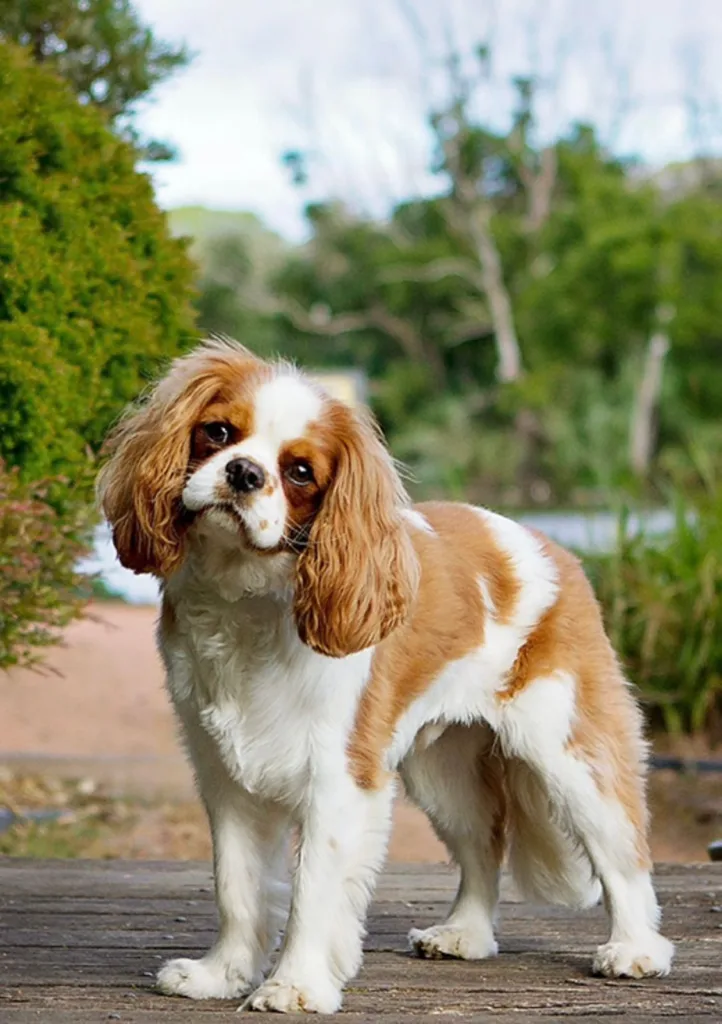
Lighting is one of the most important factors when photographing pets.
Natural daylight provides the most accurate colours and details, making it easier to capture your pet’s true appearance.
Best Lighting Conditions
- Early morning sunlight
- Late afternoon sunlight
- Bright overcast days
- Near large windows indoors
Avoid
- Flash photography
- Harsh midday sun
- Dark indoor environments
- Strong shadows across the face
Natural lighting helps reveal details in your pet’s fur and eyes while creating a more natural and appealing image.
Get Down to Your Pet’s Eye Level
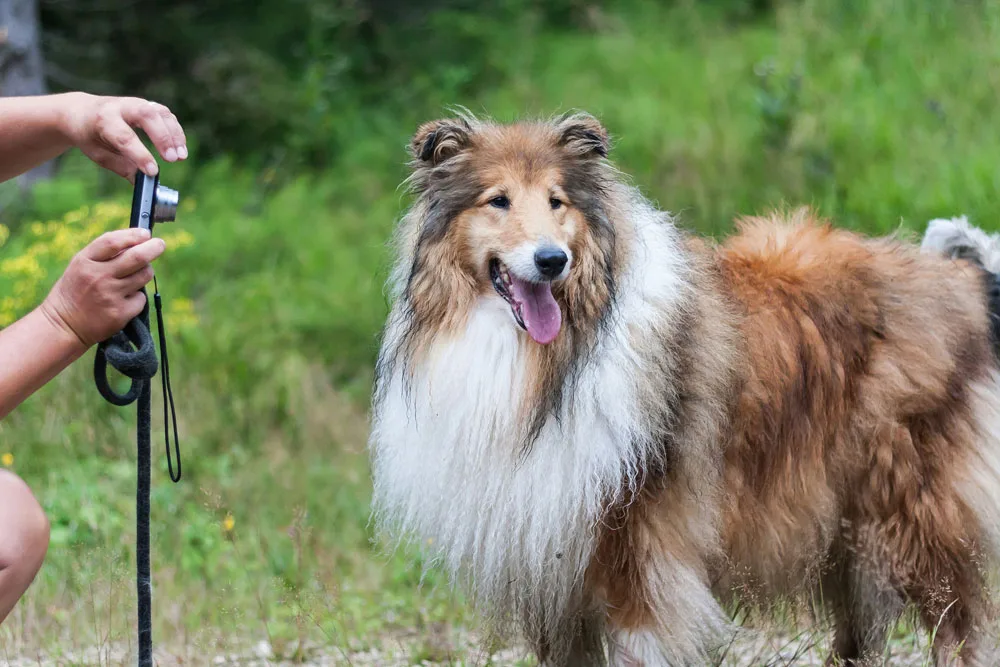
One of the most common mistakes people make is photographing their pet from above.
Instead, crouch down so your camera is level with your pet’s eyes.
This perspective creates a stronger emotional connection and results in a much more engaging portrait.
Eye-level photographs often capture:
- Better facial proportions
- More expressive eyes
- A stronger sense of personality
- Greater visual impact
Focus on the Eyes
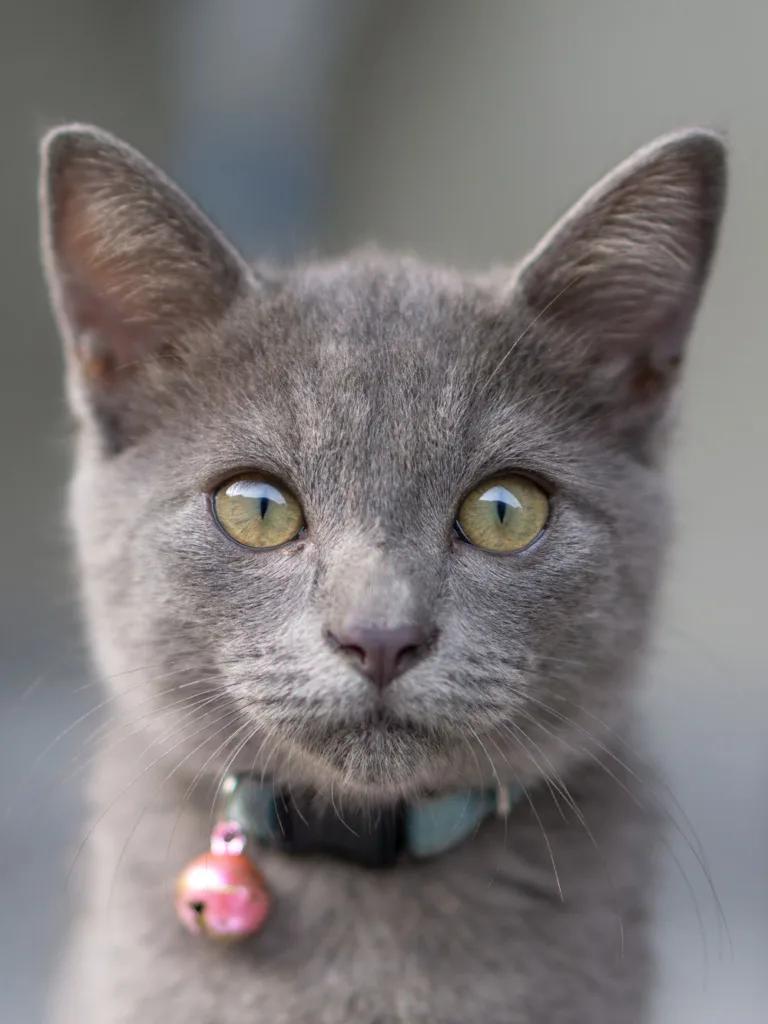
The eyes are often considered the most important part of a portrait.
Sharp, clear eyes create emotion and bring the artwork to life.
When taking photos:
- Ensure the eyes are in focus
- Avoid blurry images
- Capture catchlights (small reflections in the eyes)
- Photograph in good lighting
Bright, expressive eyes help create stunning pet portraits that feel alive and full of character.
Keep the Background Simple
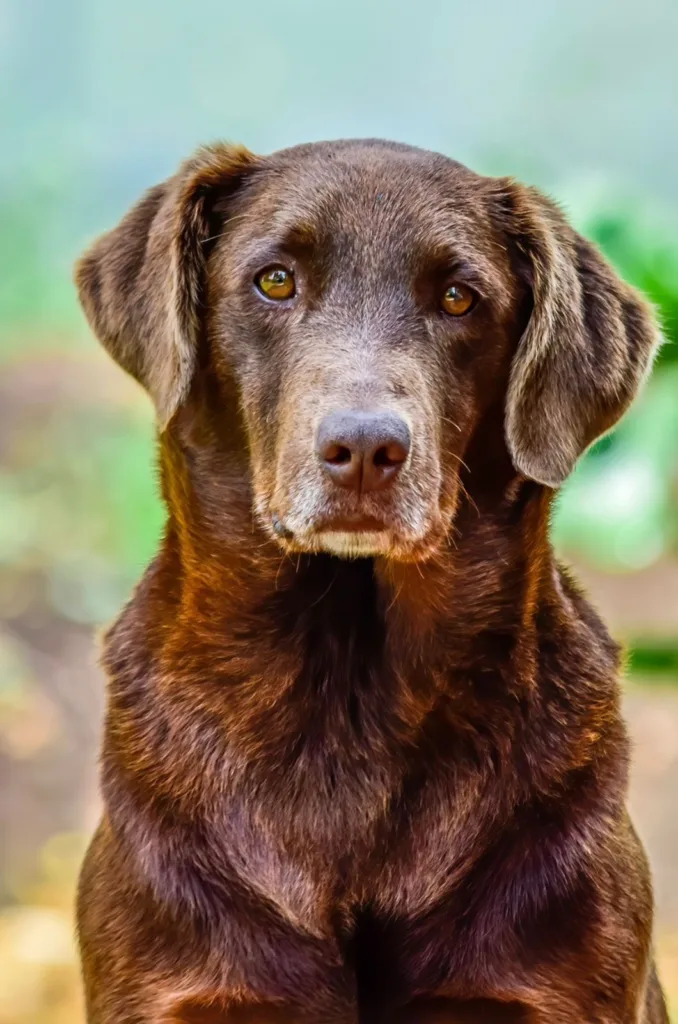
A busy background can distract attention away from your pet.
Choose clean, uncluttered backgrounds such as:
- Grass
- Garden foliage
- Plain walls
- Neutral furniture
- Beaches
- Open fields
The goal is to make your pet the star of the photograph.
Simple backgrounds also make it easier for artists to focus on important details.
Capture Your Pet’s Personality
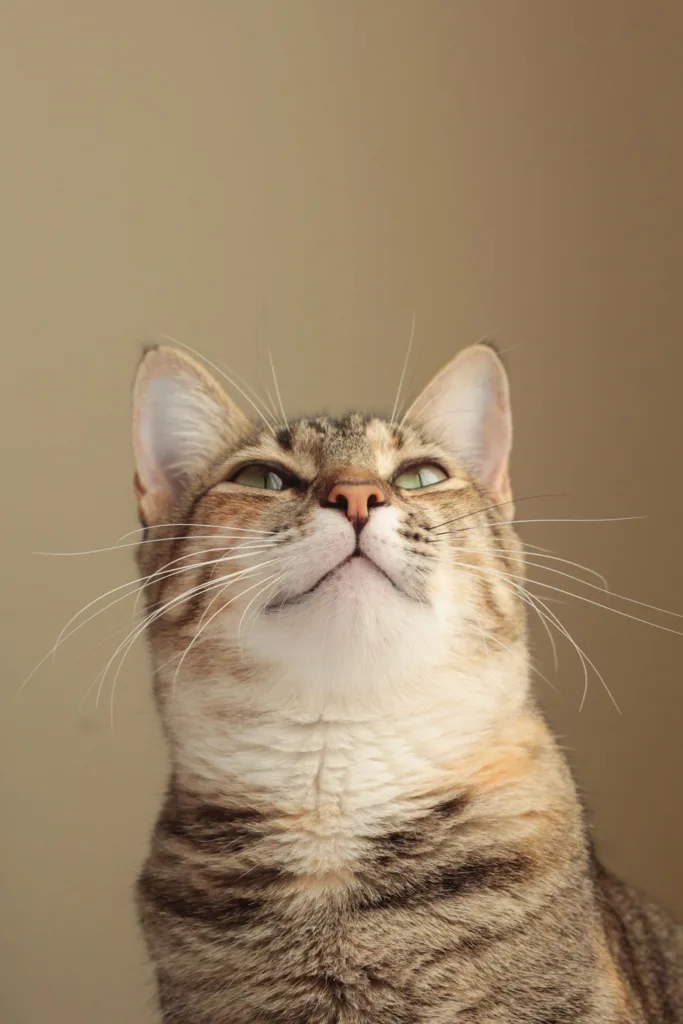
The best pet portraits don’t just show what a pet looks like—they show who they are.
Think about what makes your pet unique.
Do they:
- Tilt their head when curious?
- Have a playful smile?
- Sit proudly?
- Love carrying a favourite toy?
- Have a calm and gentle expression?
Try to capture these special traits in your photographs.
Portraits become much more meaningful when they reflect your pet’s true personality.
Take Multiple Photos
Don’t rely on a single photograph.
Take plenty of images from different angles and distances.
Consider capturing:
- Front-facing portraits
- Side profiles
- Close-ups
- Full-body poses
- Sitting positions
- Standing positions
The more reference images available, the easier it is to create an accurate portrait.
Many artists appreciate receiving several photos even if only one becomes the primary reference image.
Avoid Filters and Heavy Editing
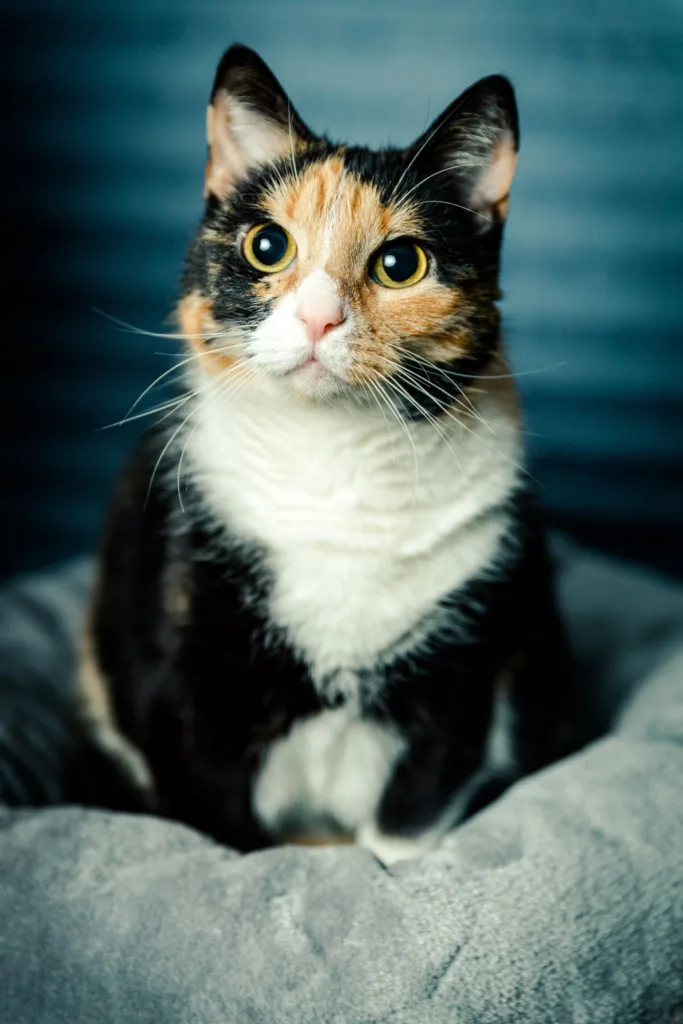
Social media filters may look fun, but they can distort colours and details.
For the best results:
- Send original images
- Avoid beauty filters
- Avoid excessive colour adjustments
- Do not add stickers or effects
Artists need to see your pet’s natural colouring and markings to create accurate artwork.
Use High-Resolution Images
Modern smartphones often take excellent photographs.
Whenever possible:
- Use the highest image quality setting
- Avoid screenshots
- Do not crop excessively
- Send original files
Higher-resolution photos provide more detail and allow artists to zoom in on important features.
Keep Your Pet Comfortable
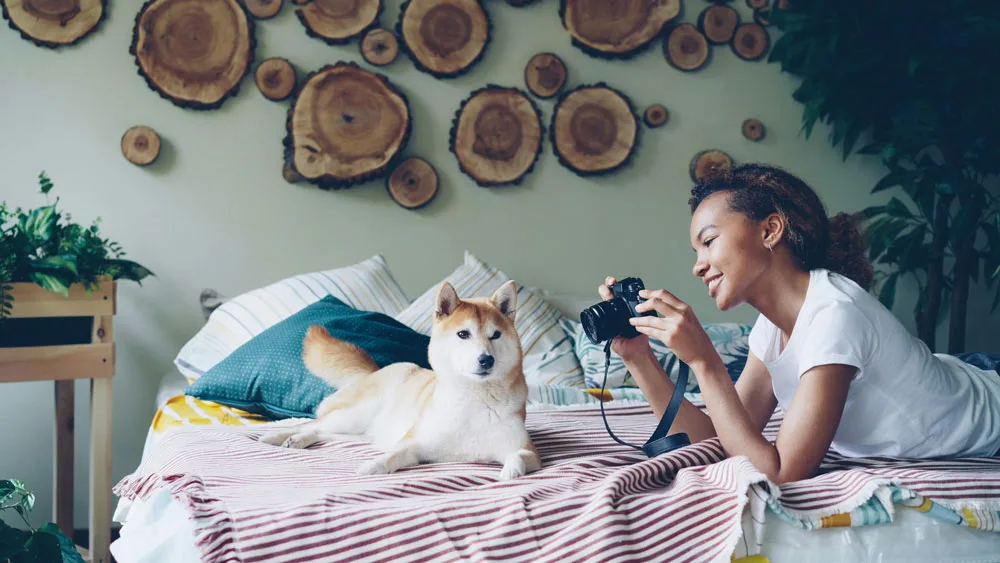
Pets are often more cooperative when they feel relaxed and happy.
Before your photo session:
- Allow time for exercise
- Offer treats
- Choose a familiar location
- Be patient
A relaxed pet is more likely to display natural expressions and poses.
Use Treats and Toys for Attention
Getting your pet to look at the camera can be challenging.
A simple trick is to hold:
- A favourite toy
- A squeaky toy
- A treat
Position it just above your camera lens to encourage eye contact.
This technique often produces alert ears, bright eyes, and engaging expressions.
Photograph Distinctive Features
Many pets have unique characteristics that owners cherish.
Be sure to capture:
- Unique markings
- Special fur patterns
- Different coloured eyes
- Distinctive ears
- Favourite collars
These small details can make a portrait even more personal and meaningful.
Best Camera Settings for Pet Photography
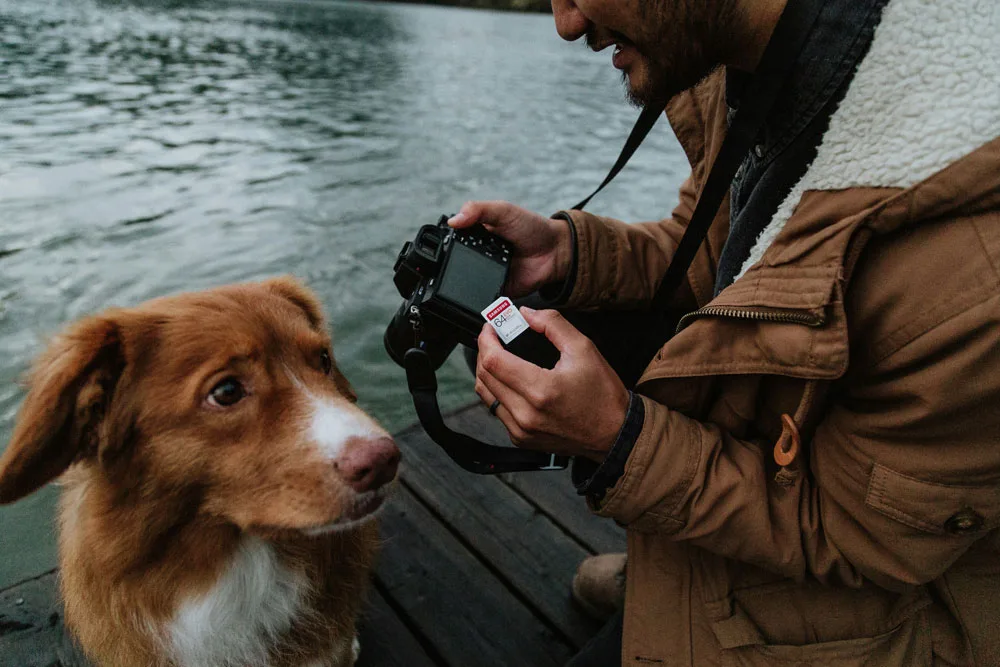
If you’re using a camera rather than a smartphone, consider these settings:
Shutter Speed
Use a fast shutter speed to freeze movement.
Recommended:
- 1/250 second or faster
Focus Mode
Use continuous autofocus if available.
Burst Mode
Take several photos quickly in succession to increase your chances of capturing the perfect moment.
Indoor Pet Photography Tips
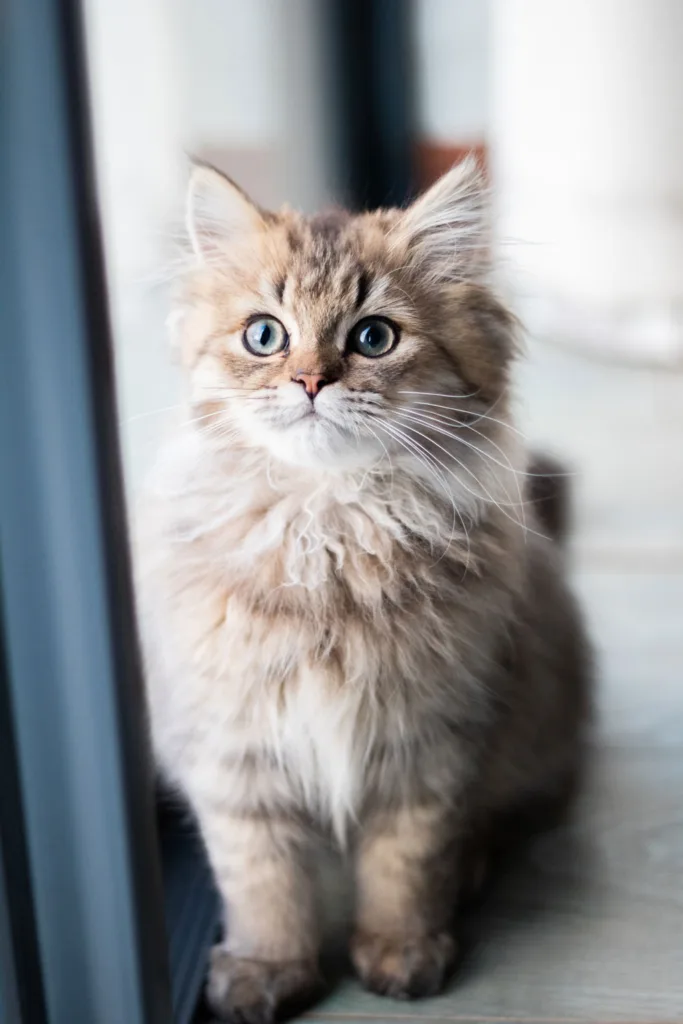
Not every pet enjoys outdoor photography.
If you’re photographing indoors:
- Position your pet near a large window
- Turn off flash
- Use natural daylight
- Keep the background simple
Window light can create beautiful, soft illumination that enhances fur texture and eye detail.
Common Mistakes to Avoid
Blurry Images
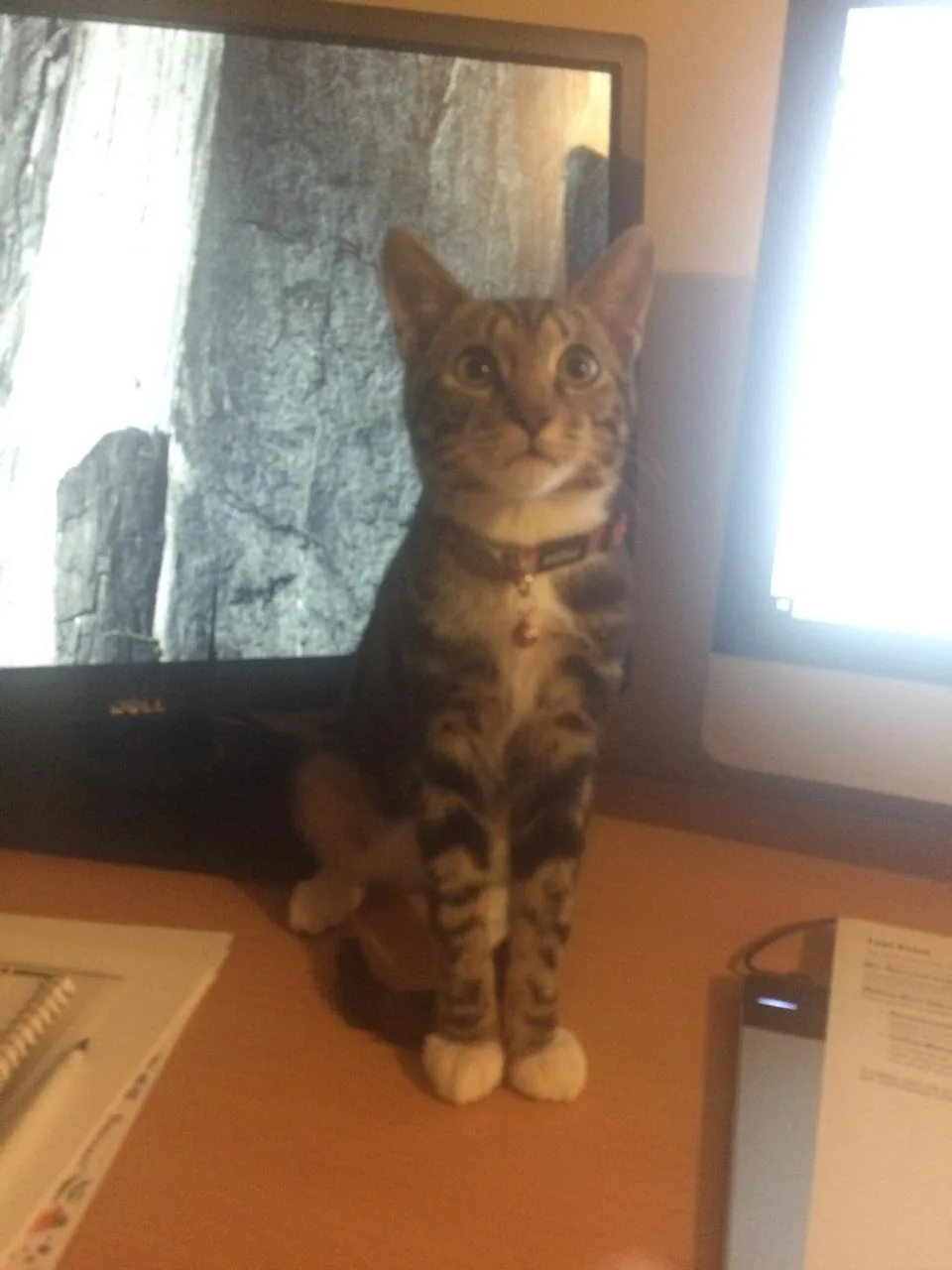
Hold the camera steady and ensure proper focus.
Using Flash
Flash often creates harsh shadows and unnatural colours.
Photographing from Above
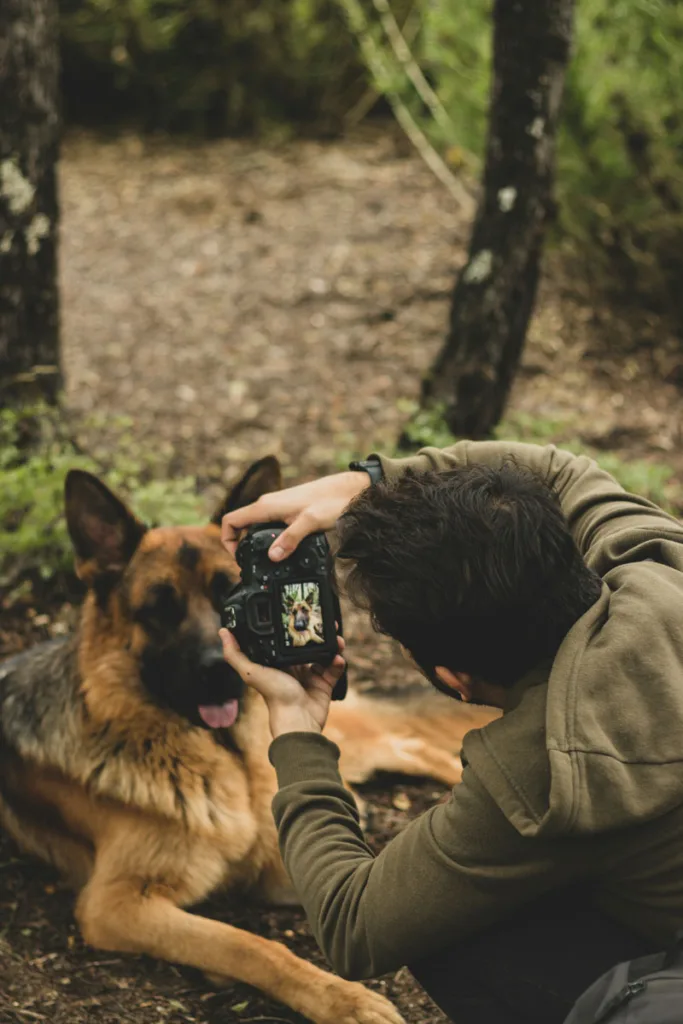
Eye-level images generally create stronger portraits.
Poor Lighting
Dark images lose important details.
Too Much Distance
Get close enough to capture facial features clearly.
Why Professional Artists Love Great Reference Photos
A well-taken photograph allows artists to:
- Capture realistic details
- Recreate accurate colours
- Show personality
- Produce higher-quality artwork
The better the photo, the more detailed and meaningful the final portrait can become.
Frequently Asked Questions
Can I use a smartphone photo for a pet portrait?
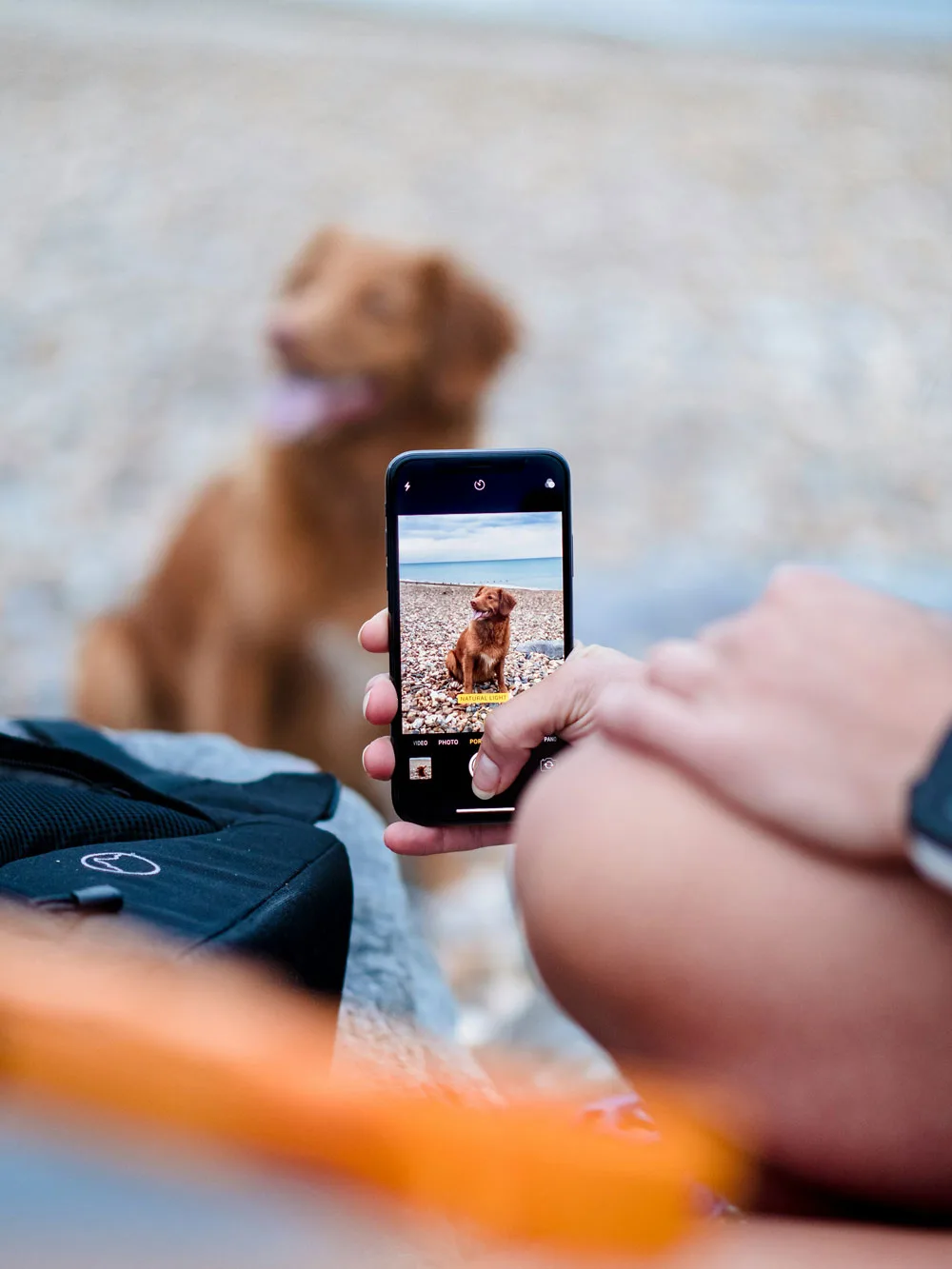
Absolutely. Modern smartphones can produce excellent high-resolution images that work beautifully for custom pet portraits.
How many photos should I send?
Sending 5–10 photographs gives your artist a variety of references to work from.
What if my pet has passed away?
Many memorial portraits are created from older photographs. Send the best images you have available, even if they aren’t perfect.
Can multiple pets be combined into one portrait?
Yes. Separate photographs of different pets can often be combined into a single custom artwork.
What if my pet won’t sit still?
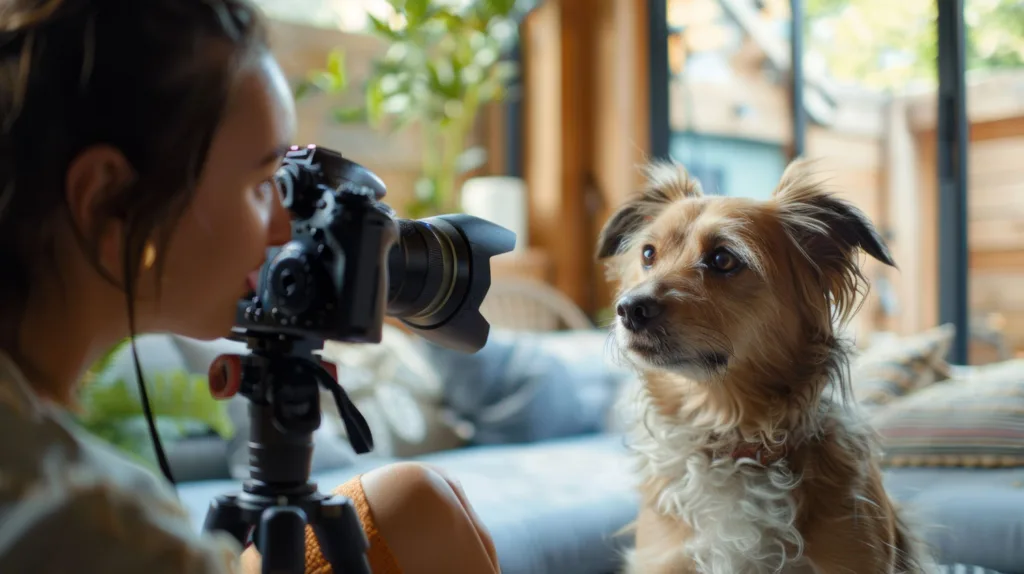
Use treats, toys, and patience. Burst mode on your phone or camera can also help capture sharp images.
Create a Lasting Tribute to Your Pet
Your pet is a cherished member of your family, and a custom portrait is a beautiful way to celebrate the joy, companionship, and memories you share together.
Taking a little extra time to capture high-quality photographs will help ensure that your artwork reflects everything that makes your pet special.
At Hannelie Gouws Design, every portrait is created with care, attention to detail, and a passion for celebrating the unique personalities of beloved pets.
Ready to turn your favourite pet photo into a beautiful work of art? Contact Hannelie Gouws Design today and begin your custom pet portrait journey.
Hannelie Gouws Design – Pet Portraits