
Creating a Pet Portrait from a Bad Photograph – Is It Possible?

Pet Memories from Bad photos
“Can you create a pet portrait from a bad photograph?”
The short answer is: Yes, often it is possible.
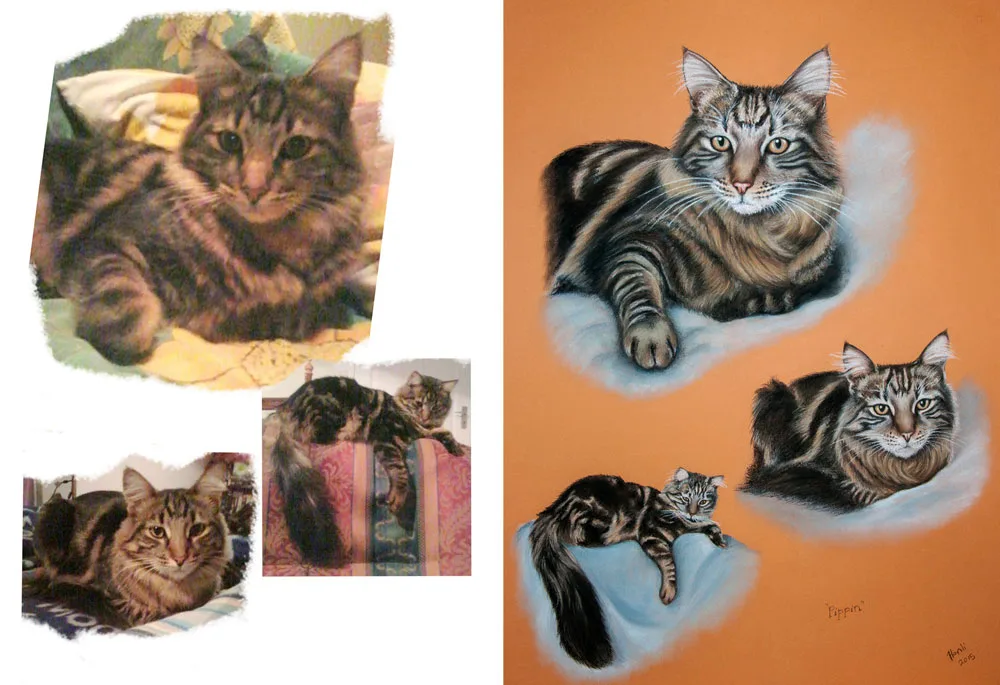
Many people assume they need a professional-quality photograph to create beautiful pet artwork. While clear, high-resolution images certainly help, they are not always essential. Experienced pet portrait artists can often work with less-than-perfect photos to create meaningful and beautiful artwork.
This is especially important when a beloved pet has passed away and only a few old photographs remain.
Let’s explore what is possible and how artists can transform imperfect images into treasured keepsakes.
What Makes a Photograph “Bad”?
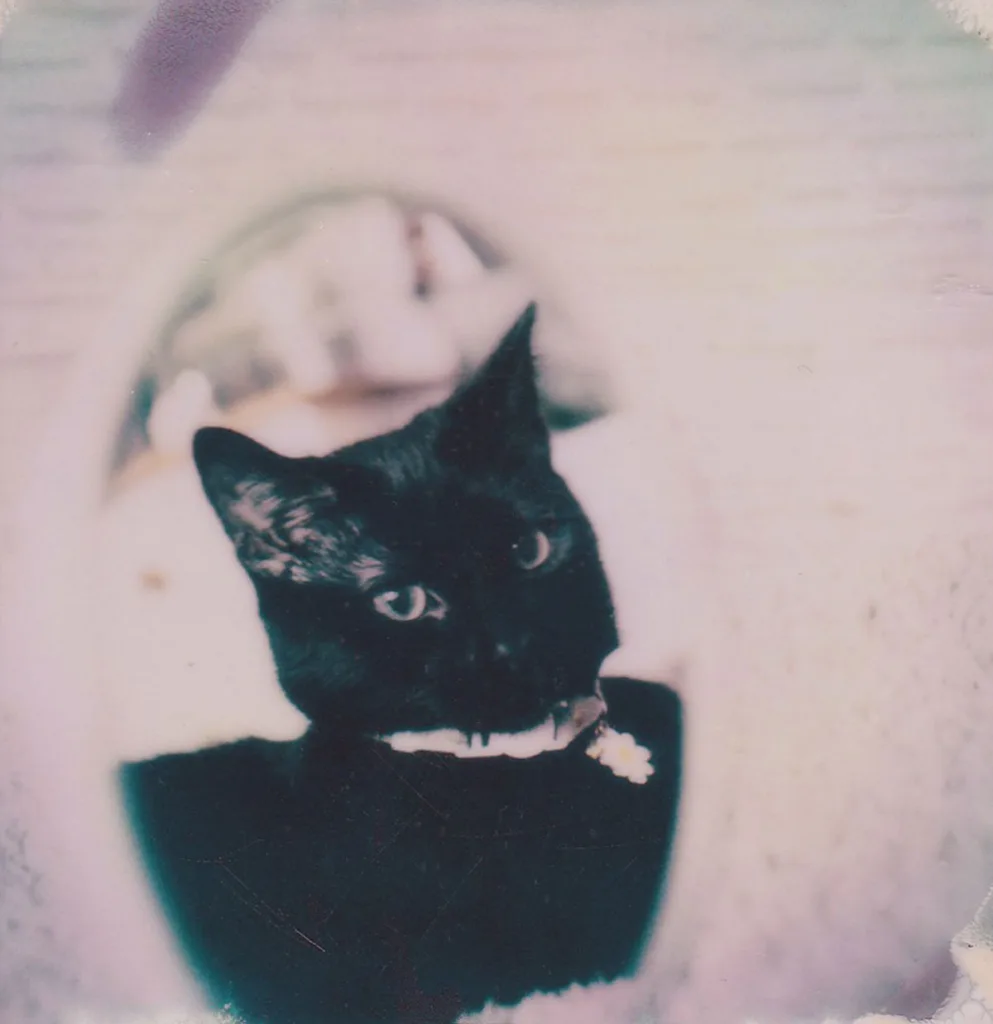
Not every photograph is ideal for creating a pet portrait.
Common issues include:
- Blurry images
- Low-resolution photos
- Poor lighting
- Grainy or noisy photographs
- Cropped ears or tails
- Photos taken from far away
- Old printed photographs
- Scanned photographs
- Damaged or faded images
While these issues can present challenges, they do not automatically prevent a portrait from being created.
Why Pet Owners Often Have Limited Photos
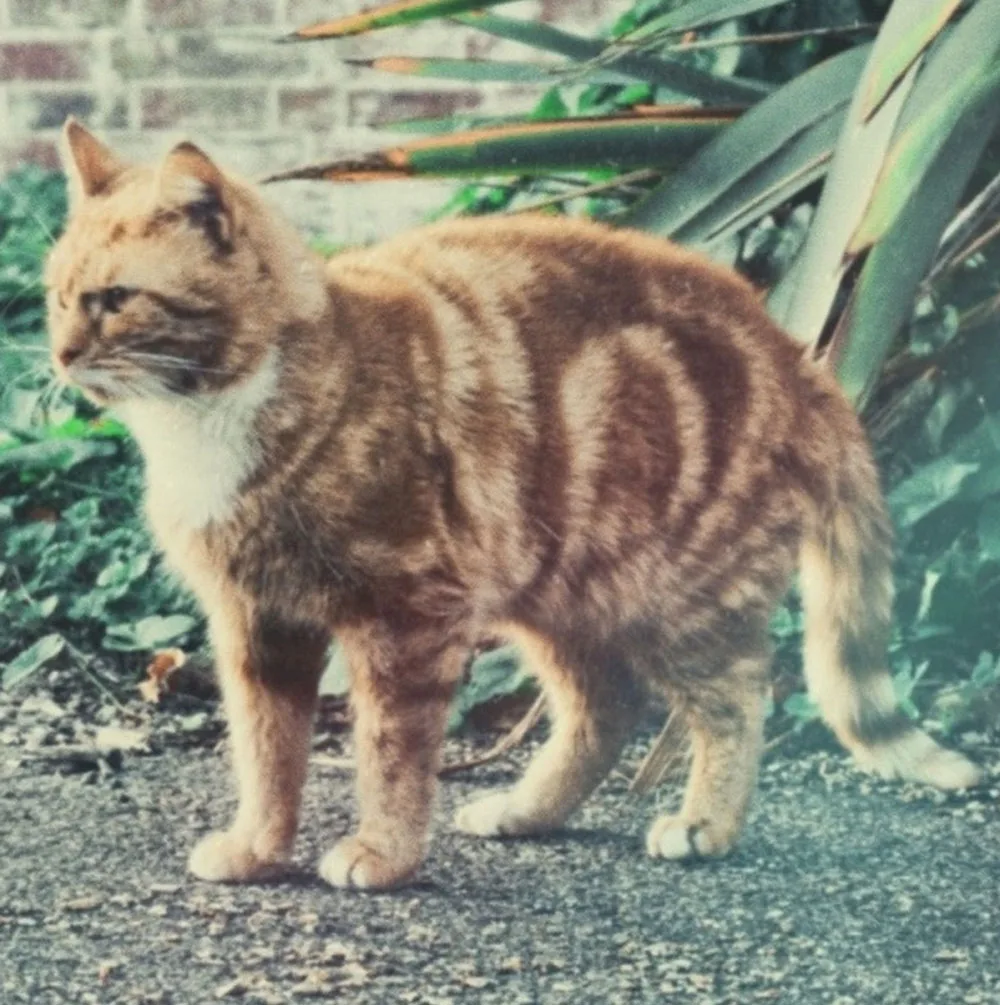
Many clients seeking custom pet portraits are not professional photographers.
Some photographs may have been taken:
- Years ago
- On older mobile phones
- During family holidays
- Before smartphones became common
In memorial portrait situations, the available photographs may be the only images that remain.
For many families, preserving those memories becomes far more important than having a technically perfect photograph.
What Artists Can Often Work With
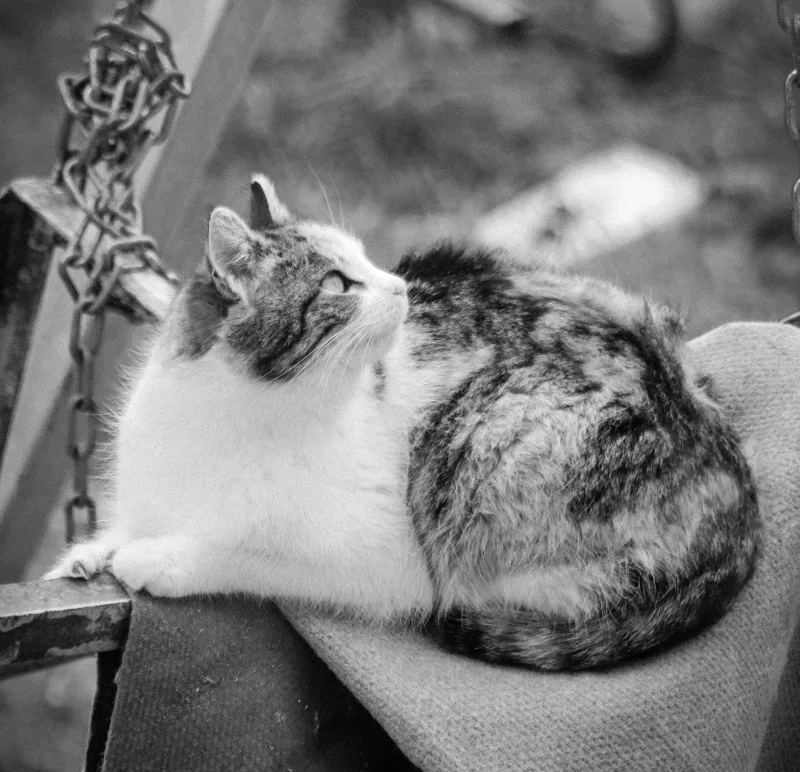
Experienced pet portrait artists develop the ability to interpret details from multiple sources.
Even when one image lacks clarity, additional photographs may provide important information such as:
- Eye colour
- Fur texture
- Facial markings
- Coat patterns
- Body shape
Combining information from several photographs often produces a much stronger reference than relying on a single image.
Can a Blurry Photo Be Used?
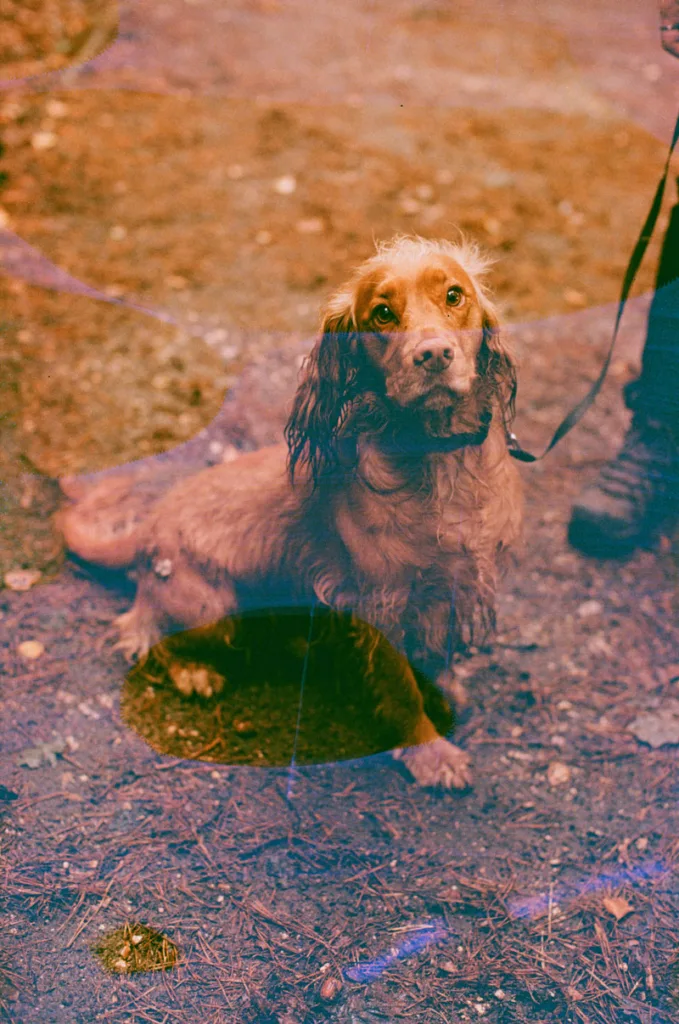
In many cases, yes.
A slightly blurry photograph may still contain enough information to identify:
- Facial structure
- Expression
- Distinctive markings
- Fur colour
If additional photos are available, they can often help fill in missing details.
However, extremely blurry images where facial features cannot be identified may be more difficult to use.
Can Old Printed Photos Be Used?
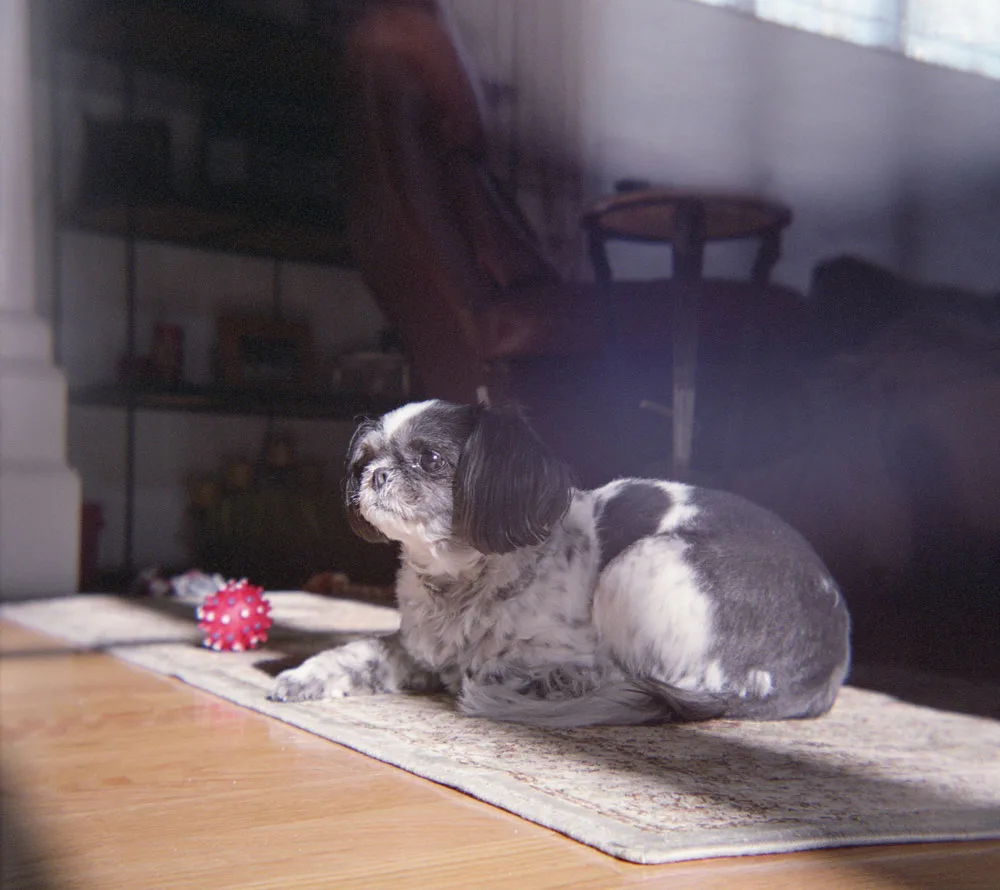
Absolutely.
Many pet memorial portraits are created from:
- Printed photographs
- Scanned images
- Photo album pictures
- Older camera prints
Even if the original image is decades old, it may still contain enough information to create a meaningful portrait.
Sometimes these older photographs carry even greater emotional significance because they capture special moments and memories.
What If Parts of the Pet Are Missing?
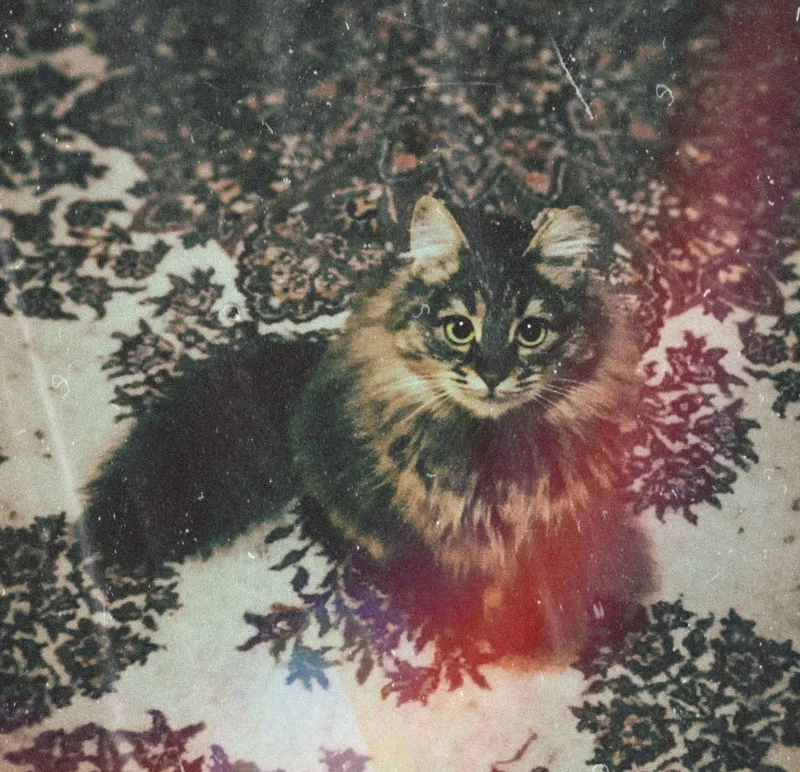
It is surprisingly common for photographs to show:
- Cropped ears
- Cut-off tails
- Missing paws
- Partial body views
This does not necessarily mean a portrait cannot be created.
Additional photographs often provide the missing information needed to complete the artwork.
When available, artists can combine elements from several images to produce a more complete portrait.
Why Multiple Photos Are Helpful
If your main photograph is not ideal, don’t worry.
Providing additional photos can make a huge difference.
Even if secondary images are taken from different angles, they may reveal:
- Fur details
- Colour variations
- Eye shape
- Distinctive markings
Many artists prefer receiving several photographs because it gives them more information to work with.
Memorial Pet Portraits and Imperfect Photos
When a beloved pet passes away, owners often discover they don’t have the perfect photograph they wish they had taken.
This is completely normal.
In fact, many memorial portraits are created from photographs that would not be considered ideal by photography standards.
What matters most is that the image captures something meaningful about the pet.
Perhaps it’s:
- A favourite expression
- A familiar pose
- A treasured memory
- A moment shared with family
These emotional connections often matter more than technical perfection.
What Artists Cannot Invent
While artists can often improve and interpret details, there are limits.
If critical features are completely missing, it may not be possible to recreate them accurately without additional references.
For example:
- Unknown eye colour
- Hidden facial markings
- Completely obscured features
- Missing portions with no reference images
This is why providing as many photographs as possible is always helpful.
How to Improve Your Chances of a Great Portrait
If you’re concerned about photo quality, here are some simple tips:
Send Multiple Images
The more reference material available, the better.
Include Close-Ups
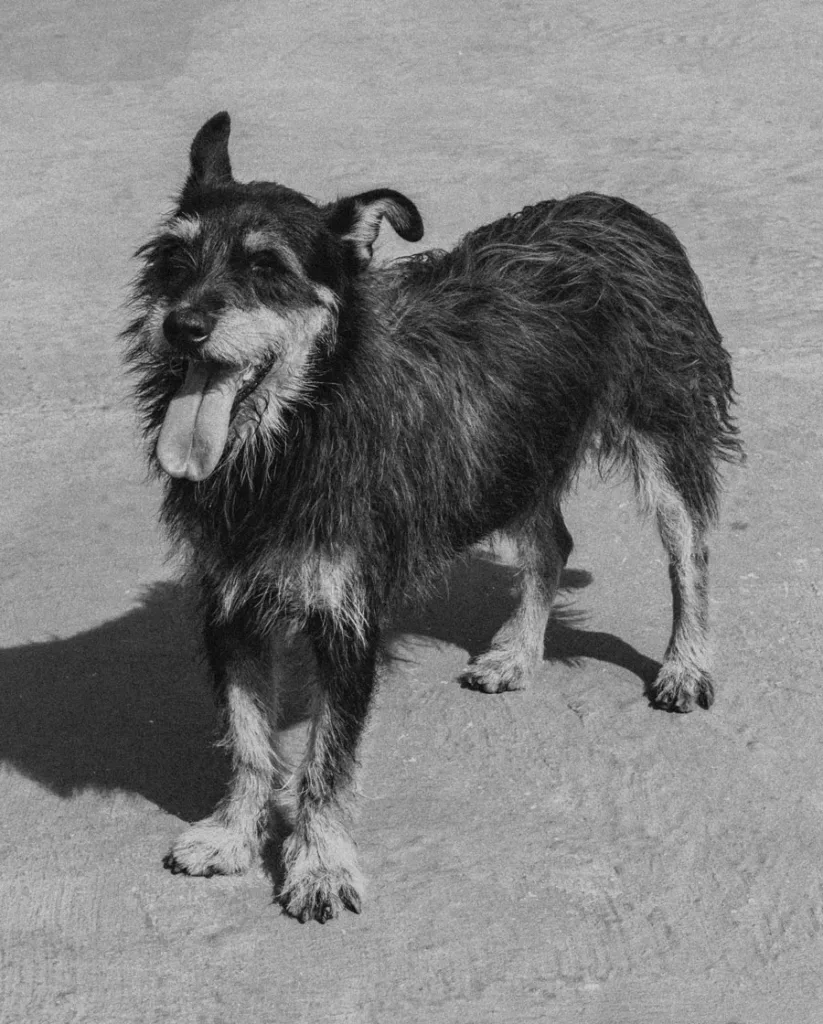
Close-up photographs help reveal important facial details.
Use Original Files
Avoid screenshots when possible.
Share Information
Tell your artist about:
- Eye colour
- Personality
- Special markings
- Favourite poses
These details can help create a more accurate and meaningful portrait.
The Emotional Value Matters Most
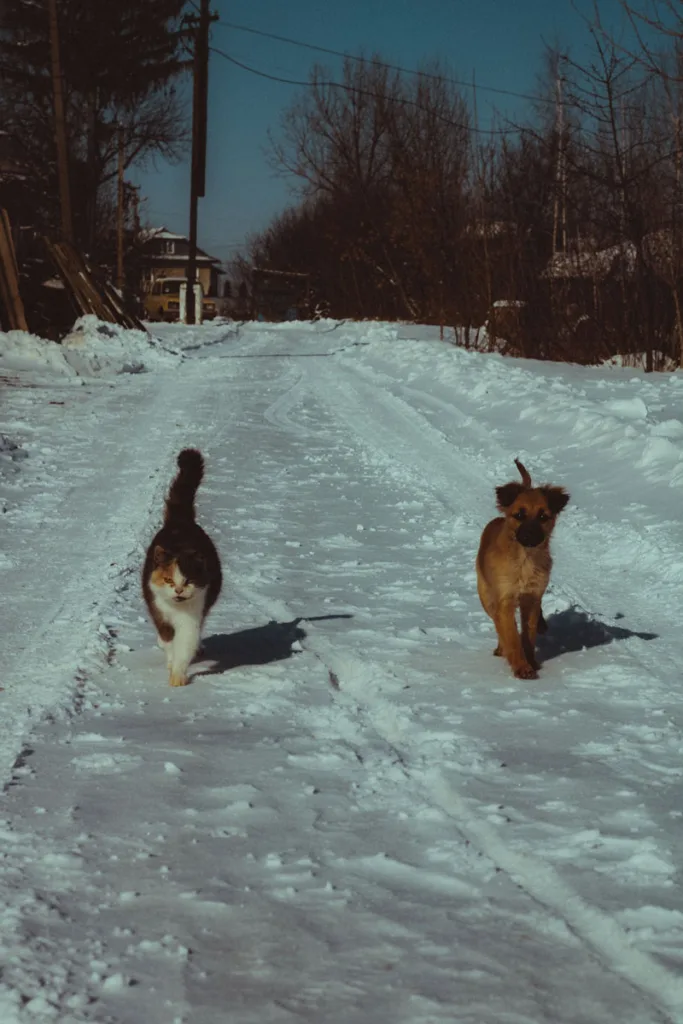
One of the most beautiful aspects of custom pet portraiture is that it isn’t solely about technical accuracy.
It’s about preserving memories.
A photograph may be imperfect.
It may be old, faded, or slightly blurry.
Yet it could represent a cherished moment that means everything to a pet owner.
Transforming that memory into artwork often creates a keepsake that is treasured for a lifetime.
Frequently Asked Questions
Can a portrait be created from a blurry photo?
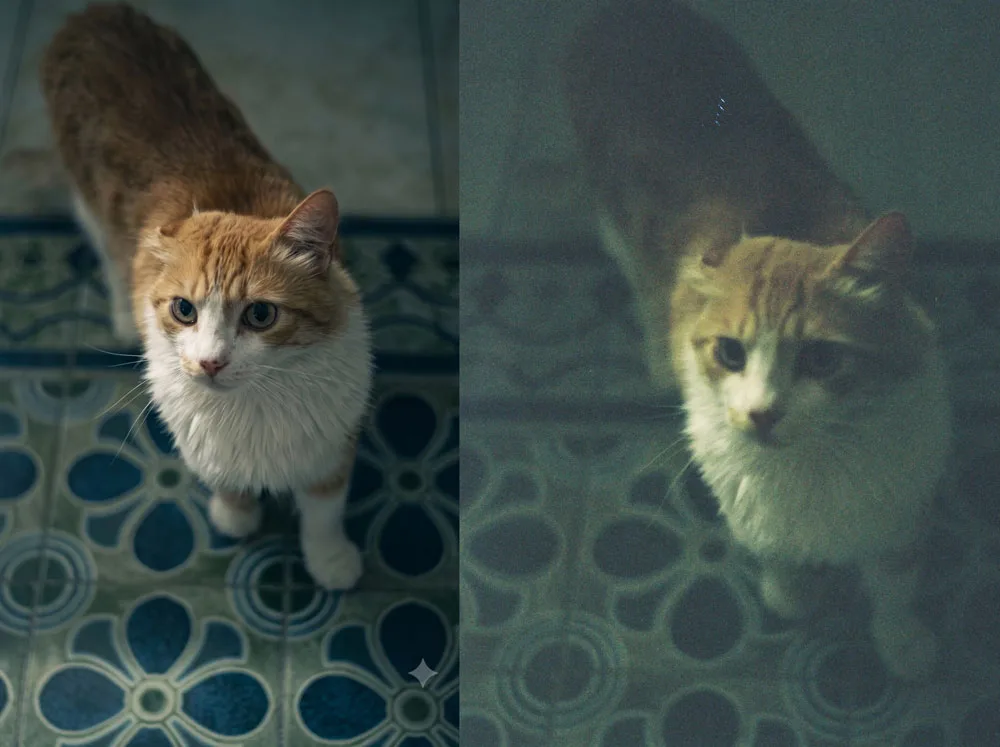
Often, yes. Slightly blurry photographs may still contain enough detail to create a beautiful portrait, especially when supported by additional images. Photos can also be enhanced and details added to give the portrait new life.
Can you use old printed photographs?
Yes. Many custom pet portraits are created from older printed or scanned photographs.
What if my pet has passed away?
Memorial portraits are frequently created from older or imperfect images. The available photographs are often enough to create a meaningful tribute.
Do I need professional photographs?
No. Modern smartphone photos and even older photographs can often work very well.
Should I send more than one photo?
Absolutely. Multiple images help provide additional detail and improve the final result.
Don’t Let an Imperfect Photo Stop You
Many pet owners believe they cannot commission a portrait because they don’t have the “perfect” photograph.
The truth is that beautiful pet portraits are often created from images that are far from perfect.
What matters most is capturing the spirit, personality, and memory of a beloved companion.
At Hannelie Gouws Design, every pet portrait is approached with care and attention to detail. If you’re unsure whether your photograph is suitable, you’re welcome to submit it for review. You may be surprised by what is possible.
Because even imperfect photographs can hold perfect memories.